Home-Based ABA Therapy
At Alpha & Omega Kids, we provide individualized home-based Applied Behavior Analysis (ABA) therapy for children diagnosed with autism spectrum disorder (ASD) and related developmental needs.
Home-based therapy allows children to learn and practice important skills within their natural environment. By working in the home, clinicians can help children apply new skills directly to everyday routines such as communication with family members, following directions, transitions, and self-care tasks.
All programs are developed and supervised by Board Certified Behavior Analysts (BCBAs) and delivered through structured one-on-one sessions tailored to each child’s developmental needs.

What Is ABA Therapy?
Applied Behavior Analysis (ABA) is a research-based approach that helps children develop new skills and make meaningful behavioral changes.
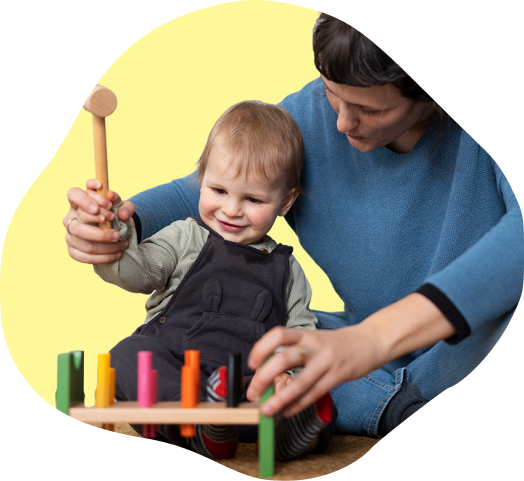
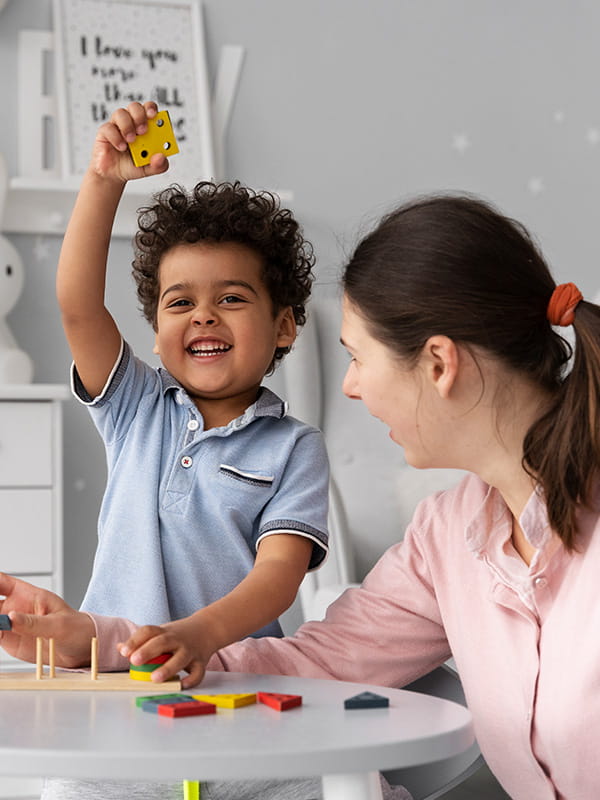
ABA therapy focuses on understanding how behavior works and using structured teaching strategies to build communication, social, and daily living skills. During therapy sessions, clinicians work one-on-one with a child using positive reinforcement and individualized teaching methods.
New skills are broken down into smaller steps so children can learn gradually and build confidence as they progress.
ABA therapy focuses on practical skills that support independence and participation in everyday life.
What Skills Does Home-Based ABA Therapy Support?
ABA therapy helps children develop skills that improve communication, learning, and daily functioning. Areas of focus may include:
Communication Skills
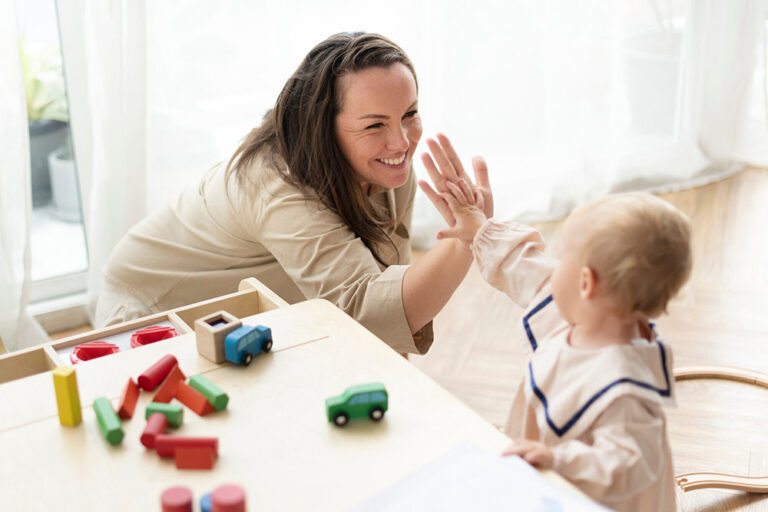
Helping children develop verbal or nonverbal communication such as requesting items, answering questions, or expressing needs.
Daily Living Skills
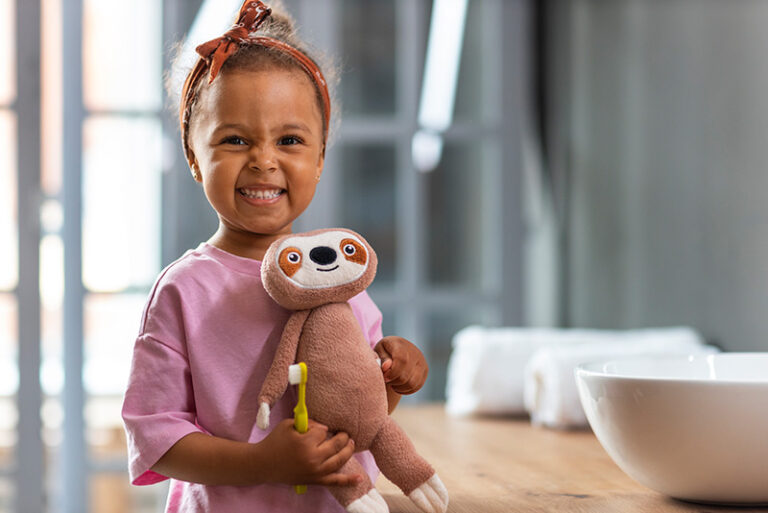
Teaching routines such as dressing, mealtime behaviors, hygiene, and following household expectations.
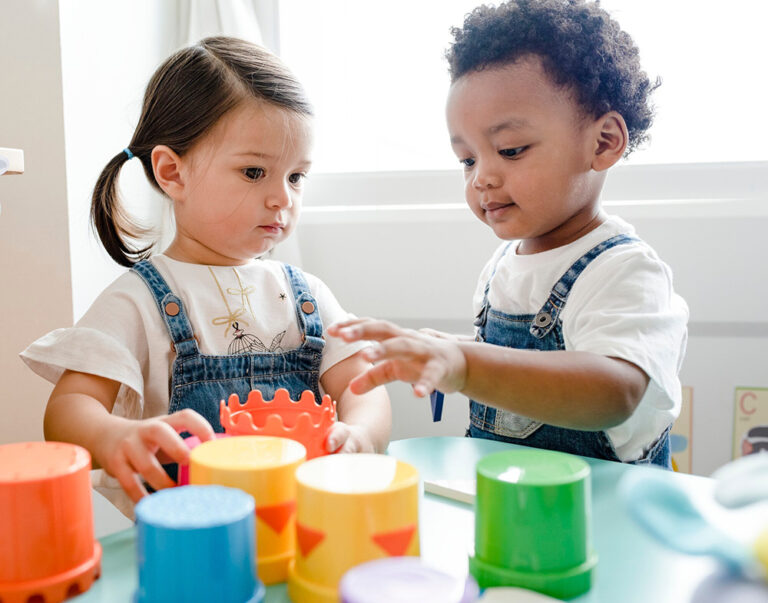
Social Interaction
Supporting engagement with family members and peers through shared play, turn-taking, and conversation skills.
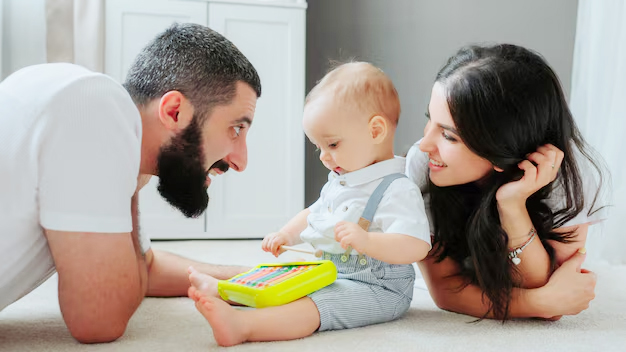
Behavior Support
Reducing behaviors that interfere with learning or safety by teaching safer and more effective ways to communicate needs.
How Many Hours of ABA Therapy Does a Child Typically Receive?
ABA therapy programs are individualized based on each child’s needs, developmental goals, and clinical recommendations.
After completing an assessment, a Board Certified Behavior Analyst (BCBA) determines the recommended number of therapy hours needed to support meaningful progress.
For many children receiving home-based services, therapy typically ranges between: 15–35 hours per week. The exact number of hours depends on several factors, including:
- The child’s developmental needs and current skill levels
- The goals identified during the clinical assessment
- Insurance authorization requirements
- Family scheduling and availability
Consistent therapy delivered over time can lead to meaningful progress in communication, learning, and behavior, particularly when services begin early.
What Does a Typical ABA Therapy Session Look Like?
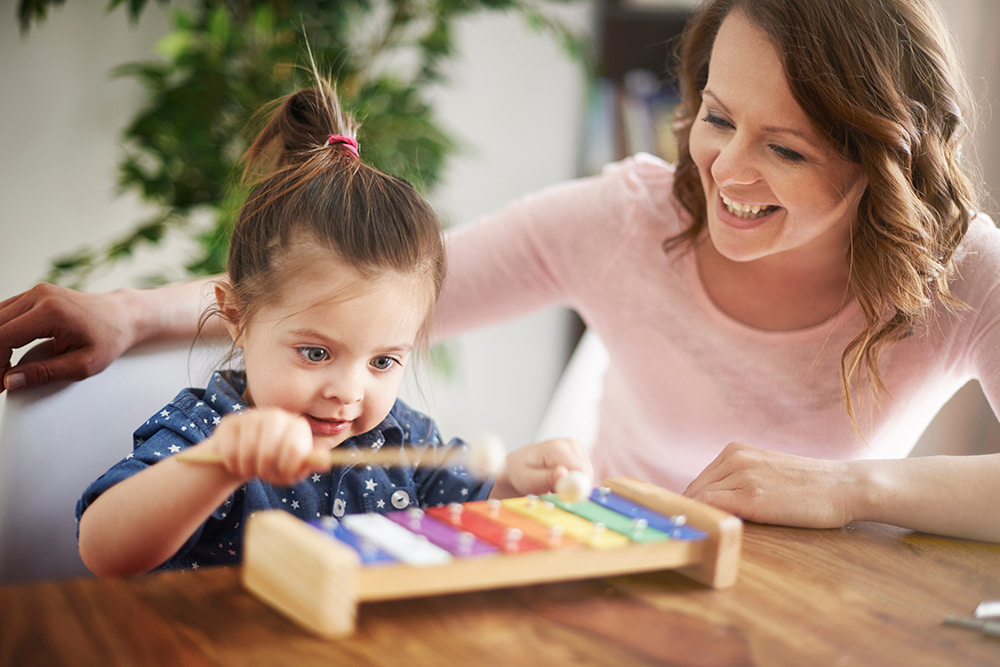
Home-based ABA therapy sessions usually last 2–4 hours at a time and occur several days per week. During sessions, therapists work on goals identified in the child’s treatment plan. These may include:
Requesting preferred toys or activities
Following simple directions
Playing with toys appropriately
Learning daily routines such as cleaning up or washing hands
Practicing communication and social interaction skills
Sessions often include a combination of structured teaching activities and play-based learning, allowing children to practice skills in ways that feel engaging and natural.
Therapists collect data throughout each session so the supervising BCBA can monitor progress and adjust goals when needed.
How Are Parents Involved?
Families play an essential role in the success of ABA therapy.
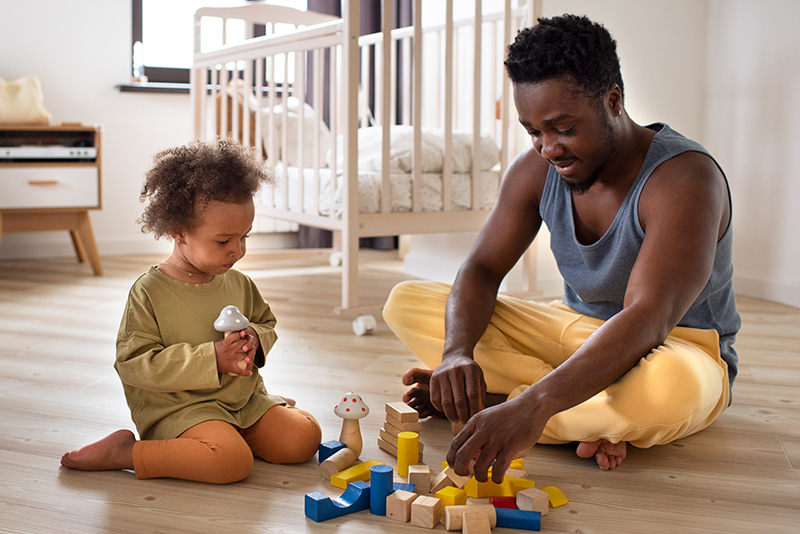
Parents and caregivers receive regular updates on their child’s progress and participate in parent training sessions where the BCBA shares practical strategies to support learning at home.
This collaboration helps ensure that skills learned during therapy sessions carry over into everyday routines and environments.

Insurance and Coverage
ABA therapy is covered by many private insurance plans.
Our team works with families to verify benefits, obtain authorization for services, and guide them through the intake process so therapy can begin as smoothly as possible.
